
A shipping container can give you extra room for construction tools, business inventory, or household belongings during a renovation. But before you start loading, check whether everything on your packing list belongs there.
Paint cans, photo albums, electronics, and boxed merchandise have different storage requirements. Some need stable temperatures. Others can introduce moisture, attract pests, or create hazards.
Knowing what not to store in a shipping container helps you protect your belongings and choose a rental that fits your needs. Avoid hazardous materials, perishables, wet items, and belongings that require environmental conditions your container cannot maintain. Always confirm restricted items with your rental provider before loading.
Understand the Limits of a Standard Container
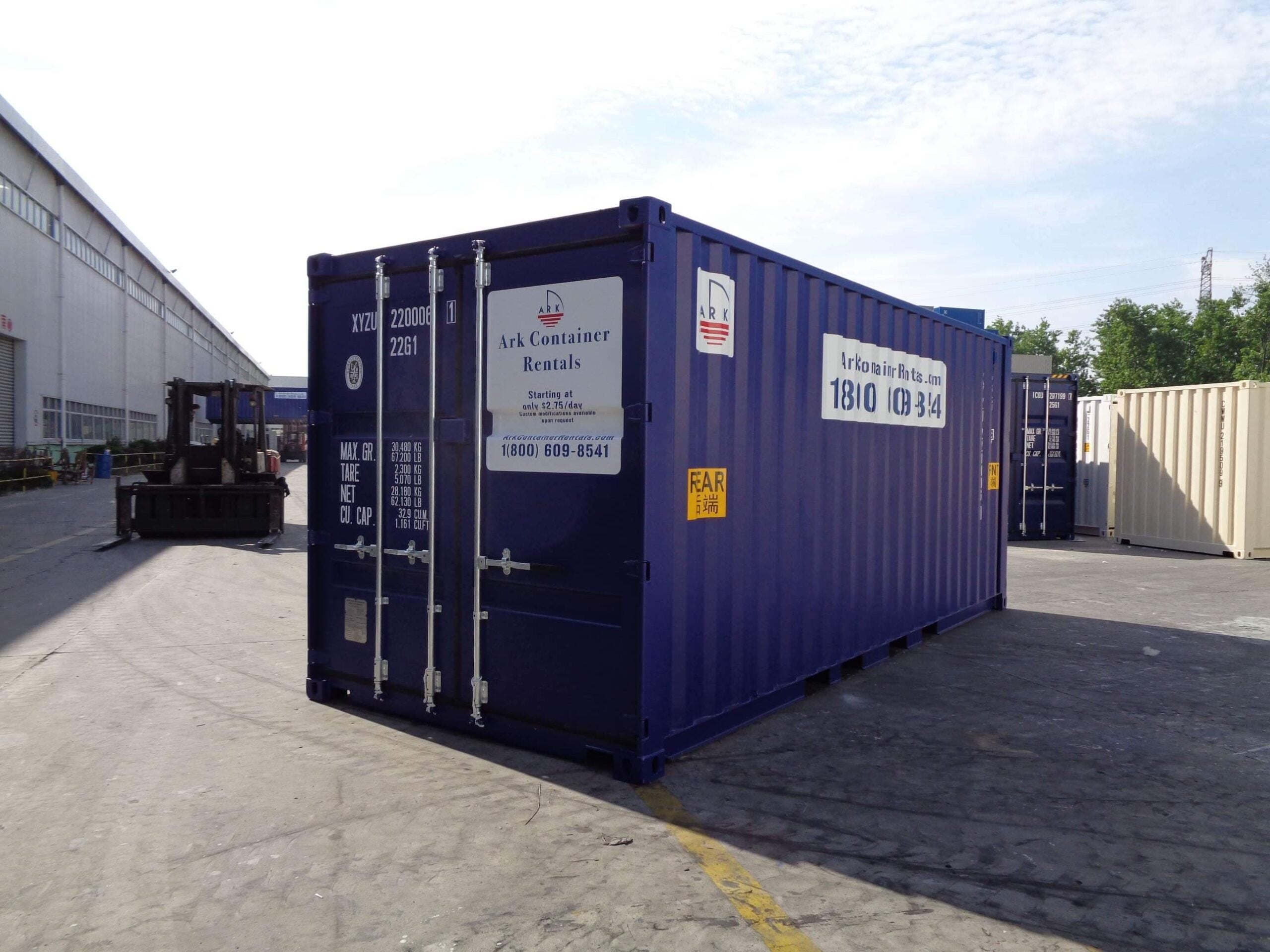
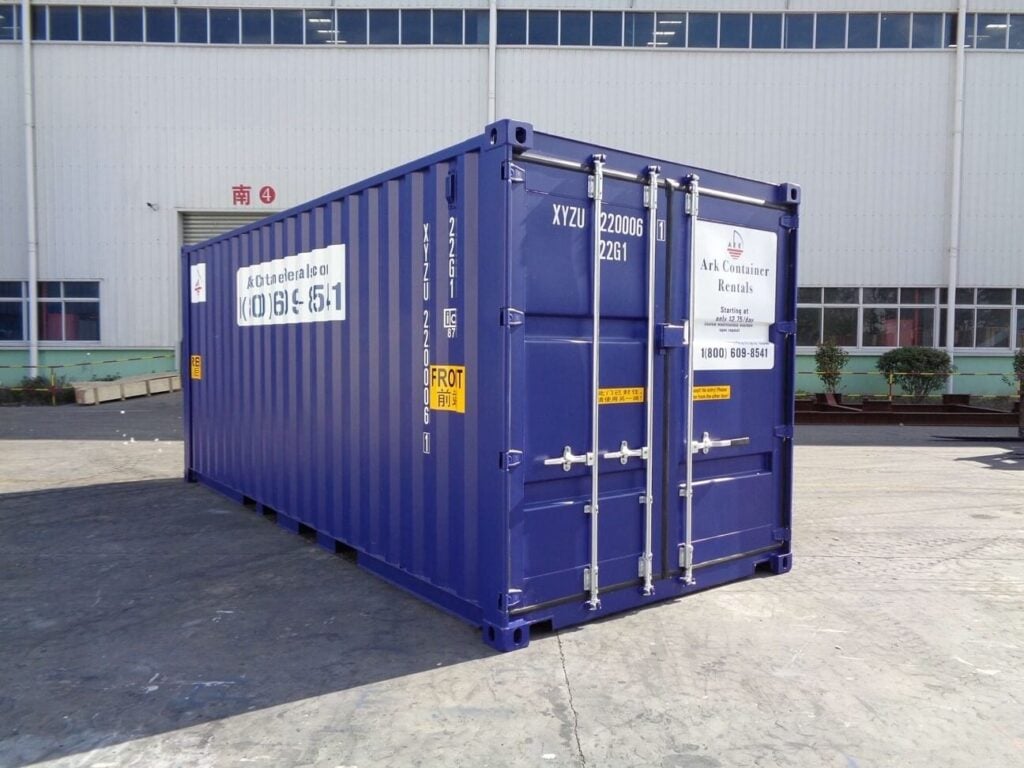
A weather-tight shipping container helps protect stored goods from outdoor weather. It does not automatically maintain a steady temperature or humidity level.
Unless your rental includes appropriate climate-control equipment, expect conditions inside to change with the weather. For renters in New Jersey and surrounding Northeast states, that means considering summer heat, winter cold, and the entire length of the rental.
Condensation can form when moist air cools against colder surfaces. Moisture problems can therefore develop even when rain never enters through the roof or doors.
Before packing, check product labels and manufacturer instructions. Anything that requires refrigeration, protection from freezing, or a specific humidity range deserves closer attention. Boxes, blankets, and plastic wrapping can provide physical protection, but they cannot make a standard container climate-controlled.
Keep Hazardous Products Out of General Storage
Do not use an ordinary rental container as a general storage cabinet for fuel, chemicals, or other hazardous materials. Products that need discussion with your provider include:
- Gasoline, diesel, and other fuels
- Propane cylinders and compressed gases
- Fireworks and explosives
- Paint thinners, solvents, and certain adhesives
- Pesticides and pool chemicals
- Corrosive cleaners or leaking chemical containers
These products may require specialized storage because of fumes, spills, flammability, or incompatible chemicals. Keeping a lid on a product does not establish that it is safe beside furniture, equipment, or inventory.
The EPA recommends following product-label storage instructions, retaining original containers and labels, and never mixing leftover hazardous products.
For contractors, describe the actual materials you plan to store. “Painting supplies” could mean rollers and drop cloths, or it could mean solvents and coatings with special requirements. Your provider needs those details to assess suitability.
If a product is restricted, arrange appropriate alternative storage. Do not assume a small quantity makes it acceptable.
Avoid Food and Other Pest Attractants
Fresh produce, refrigerated food, frozen goods, and anything that can spoil do not belong in a standard dry storage container.
Dry groceries, pet food, birdseed, and animal feed also need careful consideration. These products can attract pests, and their packaging may not adequately protect them throughout storage. A sealed bag does not address temperature, humidity, or pest access.
For retailers, separate seasonal stock by its storage requirements. Display fixtures and empty packaging have different needs from chocolates, beverages, or food gift baskets.
Check inventory before loading mixed boxes. Food can easily end up packed alongside decorations, kitchen supplies, or merchandise during a rushed cleanout.
If you need food storage, choose a solution designed for the products involved. Ask about suitable options rather than assuming an ordinary container can provide refrigeration or appropriate storage conditions.
Check Temperature-Sensitive Belongings Carefully
Not every household item or retail product needs the same environment. Review the requirements of these categories before deciding what goes inside.
Electronics and batteries: Check manufacturer storage limits for computers, televisions, printers, and electronic equipment. Review battery instructions separately for cordless tools and devices. Ask your provider about restrictions, and keep damaged, swollen, or leaking batteries out of the load.
Wood furniture and instruments: Antiques, solid-wood furniture, pianos, and acoustic instruments may require a more stable environment. A sturdy workbench and an heirloom dining table should not automatically receive the same storage treatment.
Candles, cosmetics, and sensitive inventory: Look for temperature limits on packaging or in supplier guidance. Products labeled “protect from freezing” or “store in a cool, dry place” need conditions that meet those instructions.
Paints, caulks, and adhesives: Review both environmental requirements and potential hazardous-material restrictions. Don’t treat these products as ordinary supplies just because they are commonly used on job sites.
Storage duration matters, but a short rental does not guarantee suitable conditions. Evaluate the item, expected weather, and container features together.
Keep Important Papers, Valuables, and Medication Elsewhere
Original photographs, family papers, valuable artwork, and irreplaceable records are better kept in suitable indoor storage.
The National Archives recommends cool conditions with controlled relative humidity for family papers and photographs. A standard outdoor container may not consistently provide that environment.
Archive boxes can improve protection, but they do not replace environmental control. Scan important documents as a backup while keeping the originals somewhere appropriate.
Cash, jewelry, passports, and legal documents should also stay secure and accessible. Consider the consequences if something is lost, damaged, or buried behind stacked boxes. Review your insurance before placing valuable property in a rented container.
Medication and temperature-sensitive medical supplies need separate consideration. Improper storage can affect medicine quality, so follow labeled conditions and ask a pharmacist if you are unsure.
Keep everyday medication and essential supplies accessible throughout your project. You should not need to unload the container to reach something you use daily.
Never Load Wet, Moldy, or Infested Items
A storage container cannot dry your belongings for you. Damp items introduce moisture that can contribute to condensation and affect other contents.
Check recently washed rugs, outdoor cushions, rain-soaked equipment, damp cardboard boxes, and appliances with water remaining inside. Allow suitable belongings to dry fully, and follow appliance instructions for draining and preparing equipment.
Keep moldy or pest-infested belongings out until the problem has been properly addressed. Wrapping them up does not resolve the issue.
Once suitable items are ready, use sturdy packaging and keep goods off the floor where practical. Leave enough access to inspect the load during longer rentals.
Moisture absorbers may help manage limited moisture, but they do not create climate-controlled storage or make wet goods safe to load.
Confirm Your Inventory Before Booking
Rental restrictions vary, so start with your provider’s agreement. Give ARK a specific inventory and explain any special storage requirements.
Ask whether your items are permitted, whether environmental controls are included, and what preparation or loading limits apply. Confirm whether the container must be empty before pickup.
Keep a written inventory so you can review questionable products with your provider and locate approved belongings during the rental.
Do not modify a rental container or install equipment without approval. If your belongings require conditions the rental cannot provide, choose another storage arrangement.
Plan Your Rental Around What You Need to Store
The right container depends on more than how much space you need. Your contents, rental duration, and storage requirements matter too.
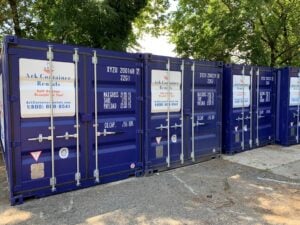
ARK Container Rentals offers on-site storage containers for construction projects, businesses, and residential needs in New Jersey and surrounding states.
Before booking, share what you plan to store and confirm anything that needs special handling. That conversation helps you choose suitable storage before delivery day.
Request a free container rental quote or call (800) 609-8541 to discuss your project.