Setting up a construction site is more than placing equipment and starting work. The way you prepare your site directly affects safety, productivity, and long-term success. A well-organized site saves time, reduces costly mistakes, and ensures your team can work efficiently from the start.
Before any materials arrive, you should focus on planning the layout, securing equipment, and setting up the right support structures. Here’s how to prepare your
construction site so your project runs smoothly from day one.
1. Plan for Long-Term Efficiency
Every successful construction site begins with thoughtful planning. You need a layout that supports your workers, keeps project managers close to the action, and allows for flexibility as your project moves forward.
Create a Functional On-Site Office
Your management team needs a dedicated space to handle meetings, blueprints, and coordination tasks. Renting or purchasing construction office trailers or
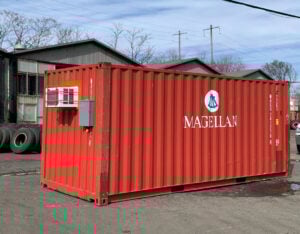
office containers is one of the smartest ways to provide this. These structures can be placed directly on-site, allowing managers to plan and oversee progress without leaving the property.
Container offices can include desks, Wi-Fi, power hookups, and climate control. They feel like a real office and keep your management team close enough to respond quickly when challenges arise.
Support Your Crew with Amenities
A construction site runs best when workers have everything they need nearby. Providing
breakroom containers and portable restrooms helps reduce downtime. When employees do not have to leave the site for lunch or bathroom breaks, your project stays on schedule.
Breakroom containers can also provide a space for workers to rest, cool off, or warm up, depending on the weather. Comfortable, well-supported crews perform better and are less likely to experience fatigue-related injuries.
2. Make Security a Top Priority
Security is often overlooked during setup, but it can make a major difference in cost control and efficiency. Construction sites attract attention because of valuable materials and equipment. A single theft can delay your project for days.
Protect Tools and Materials with Storage Containers
The simplest and most reliable way to protect your assets is with
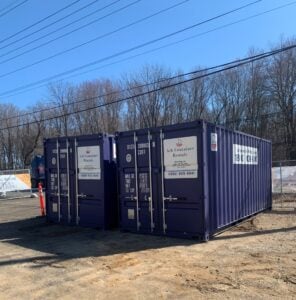
secure storage containers. These steel boxes, often called conex boxes, are lockable and weather-resistant. They provide safe storage for tools, materials, and sensitive equipment.
When placed strategically on your site, storage containers also reduce clutter and create a more organized workspace. By using a few containers for separate purposes, such as electrical equipment or high-value tools, you can maintain better inventory control.
Install Lighting and Security Systems
A well-lit site is a safer site. Adding floodlights, motion sensors, and cameras helps deter theft and creates a more secure environment for night crews. Keeping the area bright also prevents accidents and improves visibility for early or late shifts.
3. Build for Portability and Flexibility
Construction projects evolve with each phase. Your setup should be able to evolve, too. Flexibility allows you to move equipment, storage units, and offices as the project progresses without losing efficiency.
Use Portable Infrastructure
Shipping containers and mobile office trailers are designed for portability. Since they are not permanent structures, they can be lifted and relocated as needed. This mobility is essential when you need to reposition your workspace or clear an area for new construction.
For example, as your project expands, you can move office containers closer to the active area or adjust storage placement to match workflow. Portable infrastructure reduces setup time and helps maintain productivity during every stage of construction.
Plan Access Routes in Advance
When planning your site layout, think about how trucks, cranes, and workers will move throughout the area. Setting up clear access routes prevents bottlenecks and accidents. Keep pathways wide enough for equipment and maintain separate zones for materials, vehicles, and pedestrians.
4. Prioritize Safety and Compliance
No setup is complete without safety planning. Construction work is inherently risky, but a well-structured site can minimize hazards and help maintain compliance with OSHA and local regulations.
Key Steps for Safer Construction Sites
- Inspect the ground to ensure stability before placing containers or trailers.
- Install proper signage to direct workers and visitors safely.
- Mark hazard zones and ensure all personnel wear protective gear.
- Provide fire extinguishers and first aid kits within easy reach.
- Maintain regular safety meetings to keep workers informed.
When your site is organized, it not only reduces accidents but also demonstrates professionalism to clients, inspectors, and stakeholders.
5. Maintain Good Communication
Communication is a core part of an efficient construction site. Miscommunication between teams can lead to errors, delays, or wasted materials.
Use On-Site Technology
Install radios or use
construction management apps that allow real-time updates between field workers and project managers. When paired with a container office that includes Wi-Fi access, communication becomes seamless. Better communication means fewer misunderstandings and faster response to on-site issues.
6. Work with a Reliable Site Solutions Partner
No two construction projects are identical. Factors like location, duration, and weather all play a role in determining what type of site setup you need. That’s why partnering with a trusted provider can make a huge difference.
At
ARK Container Rentals, we help construction teams stay organized, secure, and productive. Our office containers, breakroom units, and secure storage containers are designed to meet the demands of modern job sites. Whether you’re managing a short-term project or a multi-year build, our experts can help you choose the right setup for your specific needs.
Start Building Smarter: Set Your Site Up for Success
Setting up a construction site takes careful planning and the right resources. When you invest in portable offices, secure storage, and worker-friendly amenities, you create a safe and productive work environment that pays off from the first day to the final phase.
For expert support,
contact ARK Container Rentals today. Our team will assess your project needs and deliver the right mix of storage containers, office trailers, and on-site solutions to help you build smarter, safer, and faster.